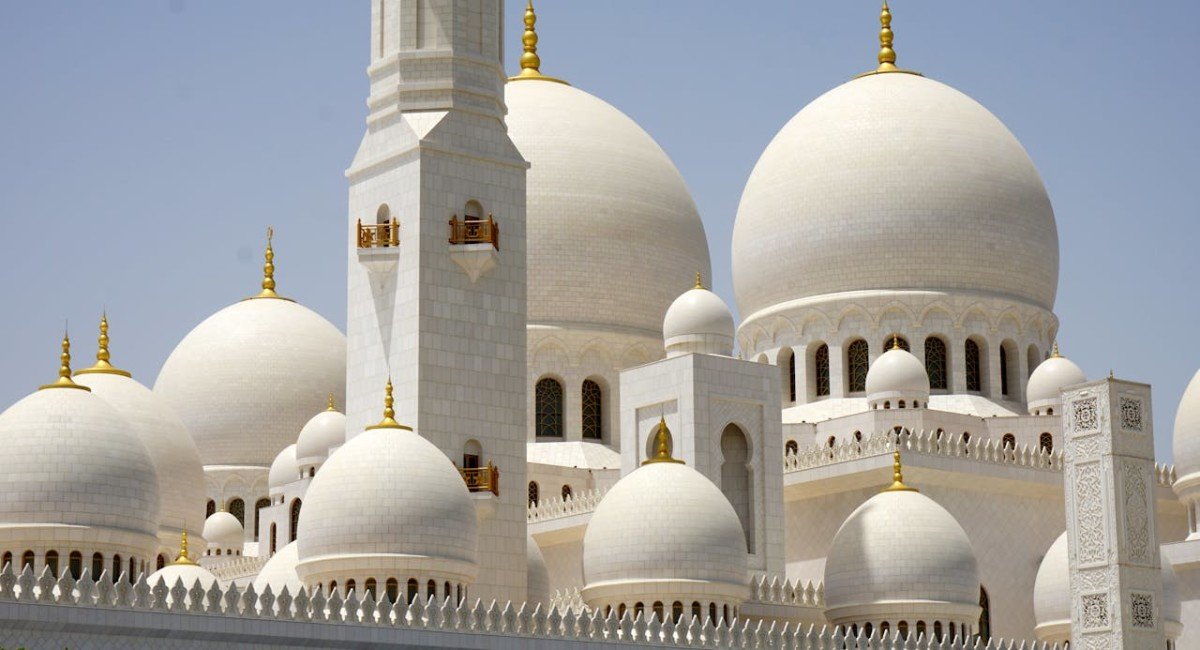
Imagine walking through a bustling market in Lahore, where the call to prayer echoes over the chatter of vendors and families. I’ve been there myself, feeling the vibrant energy of a community tied together by faith. It’s moments like these that make global trends feel personal. According to recent data from the Pew Research Center, Islam isn’t just holding steady—it’s surging ahead as the world’s fastest-growing religion. This isn’t hype; it’s backed by solid numbers from censuses and surveys across the globe. In this article, we’ll dive deep into what the Pew study reveals, why it’s happening, and what it means for the future. Buckle up—it’s a fascinating ride through demographics, culture, and human stories.
The Pew Study: A Snapshot of Global Faith Shifts
The Pew Research Center’s 2025 report on the global religious landscape from 2010 to 2020 paints a clear picture of change.
Muslims added a staggering 347 million people to their ranks, reaching about 2 billion worldwide. That’s more growth than all other major religions combined. Meanwhile, the world’s population grew by 10%, but Islam’s share jumped from 23.9% to 25.6%. It’s not about mass conversions—it’s mostly natural growth from births outpacing deaths.
Key Statistics from 2010 to 2020
Let’s break it down with the raw numbers that highlight Islam’s momentum. Muslims grew by 21%, twice the global rate. Christians, still the largest group at 2.3 billion, only added 122 million—a 5.5% increase. Buddhists actually shrank by 19 million to 324 million. These figures come from over 2,700 data sources, making them reliable and eye-opening.
| Religion | 2010 Population (Billions) | 2020 Population (Billions) | Growth (Millions) | Percentage Growth |
|---|---|---|---|---|
| Christians | 2.18 | 2.30 | +122 | 5.6% |
| Muslims | 1.65 | 2.00 | +347 | 21.0% |
| Unaffiliated | 1.63 | 1.90 | +270 | 16.6% |
| Hindus | 1.07 | 1.20 | +126 | 11.8% |
| Buddhists | 0.34 | 0.32 | -19 | -5.6% |
This table shows Islam leading the pack. Funny how numbers can tell a story of billions without a single word.
Why Islam is Outpacing Other Religions
Ever wonder why some families seem to grow like wildfire while others stay small? It’s similar with religions. Islam’s growth boils down to demographics that favor expansion. High fertility rates—Muslim women average 3.1 children, above the global 2.5—play a big role. Plus, Muslims are younger overall, with a median age of 24 compared to 30 for the world. That means more people in their prime childbearing years.
The Role of Fertility and Youth
Picture a young couple in a village in sub-Saharan Africa, starting a family rooted in faith.
That’s a common scene driving these trends. About 33% of Muslims are under 15, versus 26% globally. This youthful vibe ensures steady growth through natural increase, not just immigration or switches. It’s heartwarming to think how family ties keep traditions alive.
Migration and Regional Hotspots
Migrations add another layer, like spices to a biryani. Muslims are concentrated in high-growth areas like Africa and Asia. Sub-Saharan Africa alone saw its Muslim population boom, contributing to the global surge. I once chatted with a friend who moved from Pakistan to Europe—his story mirrors how faith travels with people, enriching new communities.
- High Fertility: 3.1 children per woman, fueling natural growth.
- Youthful Population: More young adults mean more families.
- Low Switching Out: Few leave Islam compared to other faiths.
- Regional Focus: Growth hotspots in Africa and the Middle East.
These factors aren’t accidental; they’re woven into cultural fabrics that value large families.
Comparing Islam’s Growth to Christianity and Others
Christianity has long been the big player, but its pace is slowing like a marathon runner hitting a wall. While Christians grew by 5.6%, their global share dipped to 28.8%. Islam’s 21% jump feels like a sprint in comparison. Unaffiliated folks—”nones”—grew fast too, by 16.6%, mostly from people leaving organized religion.
Head-to-Head: Islam vs. Christianity
Think of it as two old friends evolving differently. Christianity thrives in aging Europe but explodes in Africa. Islam, however, benefits from fewer people switching out—only 0.2% net loss versus Christianity’s higher disaffiliation. It’s poignant how both faiths share roots yet chart unique paths.
| Aspect | Islam | Christianity |
|---|---|---|
| Growth Rate (2010-2020) | 21% | 5.6% |
| Median Age | 24 | 30 |
| Fertility Rate | 3.1 | 2.7 |
| Global Share 2020 | 25.6% | 28.8% |
This comparison highlights strengths: Islam’s youth versus Christianity’s broad reach.
Pros and Cons of Rapid Growth
Rapid expansion sounds great, but it’s a double-edged sword.
Pros:
- Stronger community bonds and cultural preservation.
- Economic boosts in growing populations.
- Global influence on policies and dialogues.
Cons:
- Strain on resources in high-density areas.
- Potential for social tensions in diverse societies.
- Challenges in maintaining unity amid fast change.
I recall a humorous moment when a friend joked, “If Islam keeps growing, we’ll need bigger mosques—traffic jams at prayer time!” It lightens the serious side.
Where Islam is Growing the Fastest
Look at a map, and the story unfolds visually.
Sub-Saharan Africa and the Middle East-North Africa are epicenters. Countries like Nigeria and Pakistan see massive increases. In Europe, migration adds to the mix, making cities like London more diverse. It’s inspiring to see faith bridging continents.
Regional Breakdowns
In Asia-Pacific, home to 59% of Muslims, growth is steady but not explosive. Sub-Saharan Africa’s share of global Muslims rose, thanks to high birth rates. North America and Europe see smaller but notable upticks from immigration. These shifts remind me of how interconnected our world is.
Future Projections: Islam’s Path to 2050 and Beyond
Peering ahead, the Pew projections get exciting—or a bit overwhelming, depending on your view. By 2050, Muslims could hit 2.8 billion, nearly equaling Christians at 2.9 billion. If trends hold, Islam might overtake as the largest religion around 2070. It’s not inevitable, though—factors like education and urbanization could tweak fertility rates.
What Drives Long-Term Trends
Fertility remains key, but switching and migration will play roles too. In sub-Saharan Africa, both Islam and Christianity will boom. Europe might see Muslims at 10% of the population. I feel a sense of awe thinking about how these changes could reshape societies, fostering more interfaith understanding.
- By 2050: Muslims at 30% of world population.
- Key Driver: Continued high fertility in Muslim-majority countries.
- Potential Shifts: Rising “nones” could compete if disaffiliation spreads.
It’s like watching a global family album evolve page by page.
People Also Ask: Common Questions Answered
Based on what folks are searching, here are real questions from Google about this topic.
Why is Islam the fastest growing religion?
It’s mainly demographics—higher birth rates and a younger population lead to natural growth. Conversions play a small part, but family sizes in Muslim communities make the difference. Think of it as compounding interest in a savings account.
Is Islam really the fastest growing religion?
Yes, according to Pew’s data from 2010-2020. Some debate the metrics, but the numbers hold up across studies. It’s growth by births, not a sudden wave of converts.
Will Islam surpass Christianity?
Projections say yes, possibly by 2070. But trends can change with social shifts. It’s a reminder that nothing’s set in stone.
What about growth in the West?
In places like the U.S. and Europe, it’s slower but steady, driven by immigration and some conversions. Mosques are popping up in unexpected spots, adding flavor to local cultures.
These questions show curiosity—and maybe a touch of surprise—at the shifts.
Best Tools and Resources for Exploring Religious Demographics
Want to dig deeper? Start with the Pew Research Center’s interactive tools. Their religious composition by country dataset lets you filter data. For visuals, check World Religion Database for maps. Books like “The Future of Faith” by Harvey Cox offer insightful reads.
Where to Get Reliable Data
Head to official sites for unbiased info. Pew’s reports are free and detailed—perfect for students or curious minds. Apps like Religion Tracker can help visualize trends on your phone. It’s empowering to have these at your fingertips.
FAQ: Answering Your Burning Questions
What makes the Pew study trustworthy?
Pew uses over 2,700 censuses and surveys from 201 countries, ensuring broad, accurate data. It’s non-partisan and peer-reviewed, building on decades of research.
How does Islam’s growth affect global politics?
It could influence policies on immigration and interfaith relations. In growing regions, it might boost economic ties through shared values.
Are conversions a big factor in Islam’s growth?
Not really—Pew says it’s mostly natural increase. Net switching is low, with more joining than leaving, but tiny compared to births.
What about women’s roles in this growth?
Higher fertility ties to cultural norms, but education is changing that in some areas. It’s a nuanced topic worth exploring.
Will this growth continue forever?
Projections say yes through 2050, but urbanization and education might slow it. Trends evolve, just like societies.
In wrapping up, Islam’s rise as the fastest-growing religion isn’t just stats—it’s about real people, families, and futures. From my travels in Punjab to global headlines, it’s a story of resilience and change. Whether you’re Muslim or not, understanding this helps us all connect better. For more, visit Pew’s full report. What’s your take on these shifts?